Comic Con Africa 2026 reminded me why this event matters. It is not simply a weekend of costumes, celebrity photographs and merchandise. At its best, it is a meeting place for communities that often experience their interests separately: gamers, comic readers, cosplayers, anime fans, authors, artists, families and collectors all find a place under one roof.
Held at the Johannesburg Expo Centre from 24 to 27 September, this year’s convention delivered four ambitious days of entertainment. The programme was broader, the specialist zones felt more mature, and the creative talent on display deserved attention. It was also an event of enormous scale, and that scale brought the familiar challenges of crowds, queues and difficult choices between simultaneous attractions.
This is my personal assessment of what worked, what stood out and what I would like to see Comic Con Africa refine when it returns.
Comic Con Africa feels more like a collection of communities
The strongest development was the way the convention created distinct spaces for different audiences without losing the feeling of one shared event. Artist Alley, KidsCon, Book Nook, Otaku Town, the Gaming Hall and the Main Stage each had their own identity.
That matters because no two visitors attend Comic Con for the same reason. One person may spend the day chasing autographs, another may follow esports, while someone else wants to discover independent artists or attend a Japanese calligraphy workshop. The 2026 programme recognised that variety better than a generic one-size-fits-all show ever could.
Cosplay remained the beating heart of the convention
Cosplay still supplies much of Comic Con Africa’s visual energy. It turns ordinary walkways into spontaneous stages and allows fans to become part of the event instead of merely watching it.
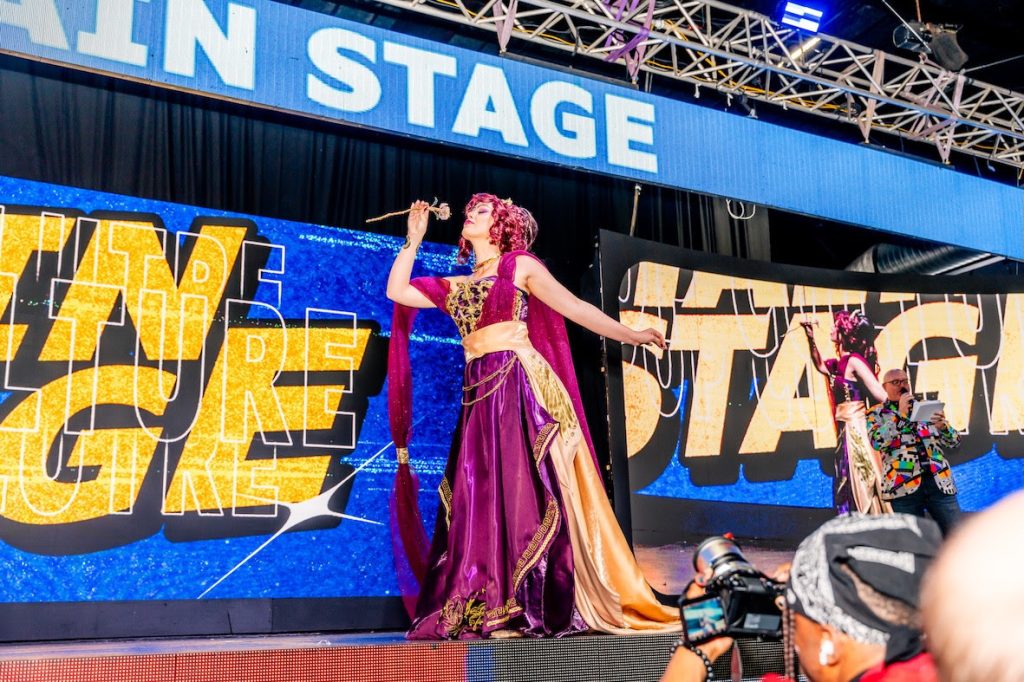
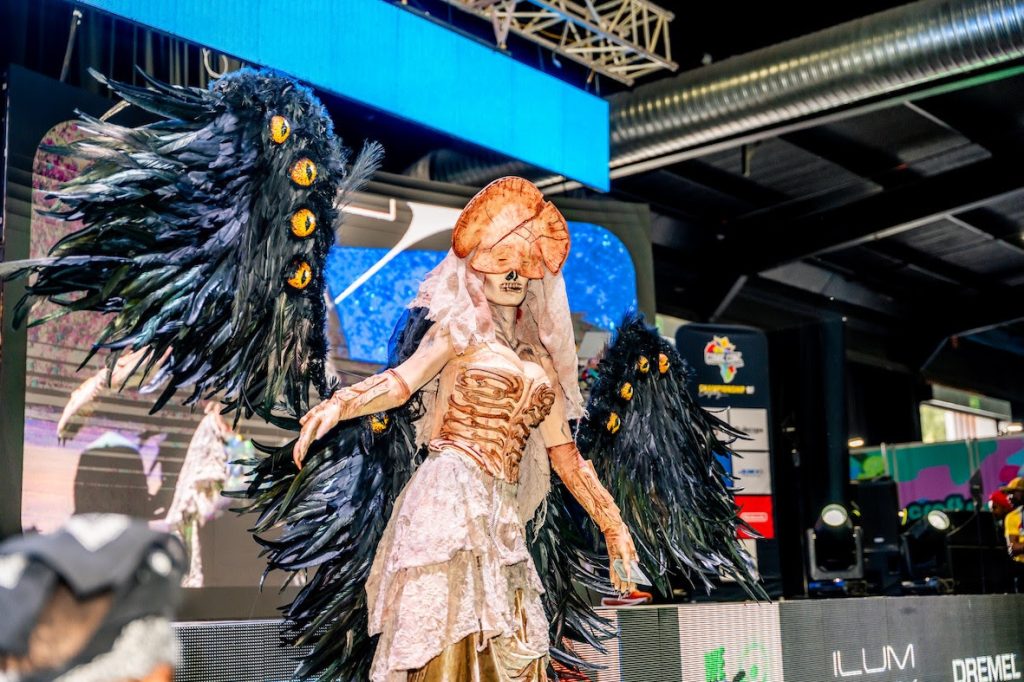
More than 40 competitors entered Sunday’s Championship of Cosplay, while casual competitions, Toyota’s Carsplay challenge and the Telkom Next Gen Cosplay Competition created several routes into the community. According to the organisers, almost R100,000 in cosplay prizes was awarded across the weekend.
Jax Cosplay earns the trip to London
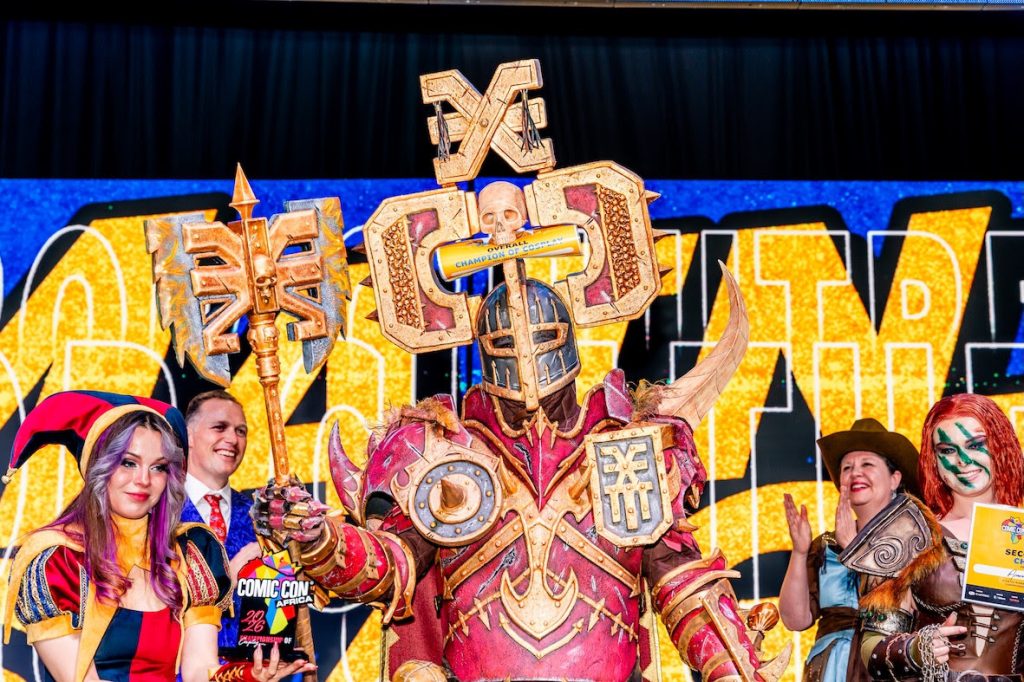
Congratulations go to Jax.Cosplay, who won the overall championship and will represent Comic Con Africa at the Cosplay Central Crown Championships of Cosplay in London in 2027. That international pathway gives the competition real weight and shows South African makers that their work can travel far beyond the local stage.


Cosplay should remain welcoming at every level
The championship celebrates technical excellence, but the casual competitions are equally important. Comic Con works best when a first-time visitor wearing a simple cape feels as welcome as a competitor who has spent months constructing armour.
The guest programme offered a genuine range
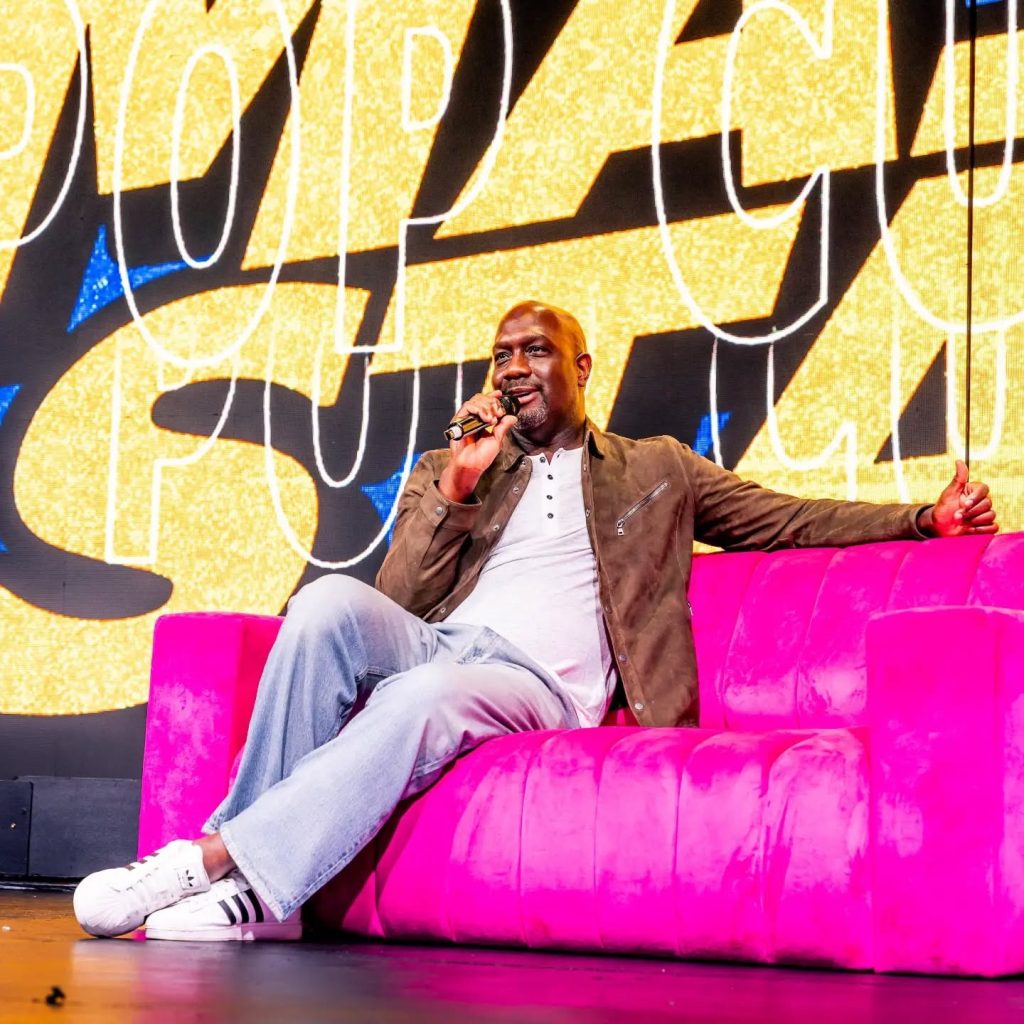
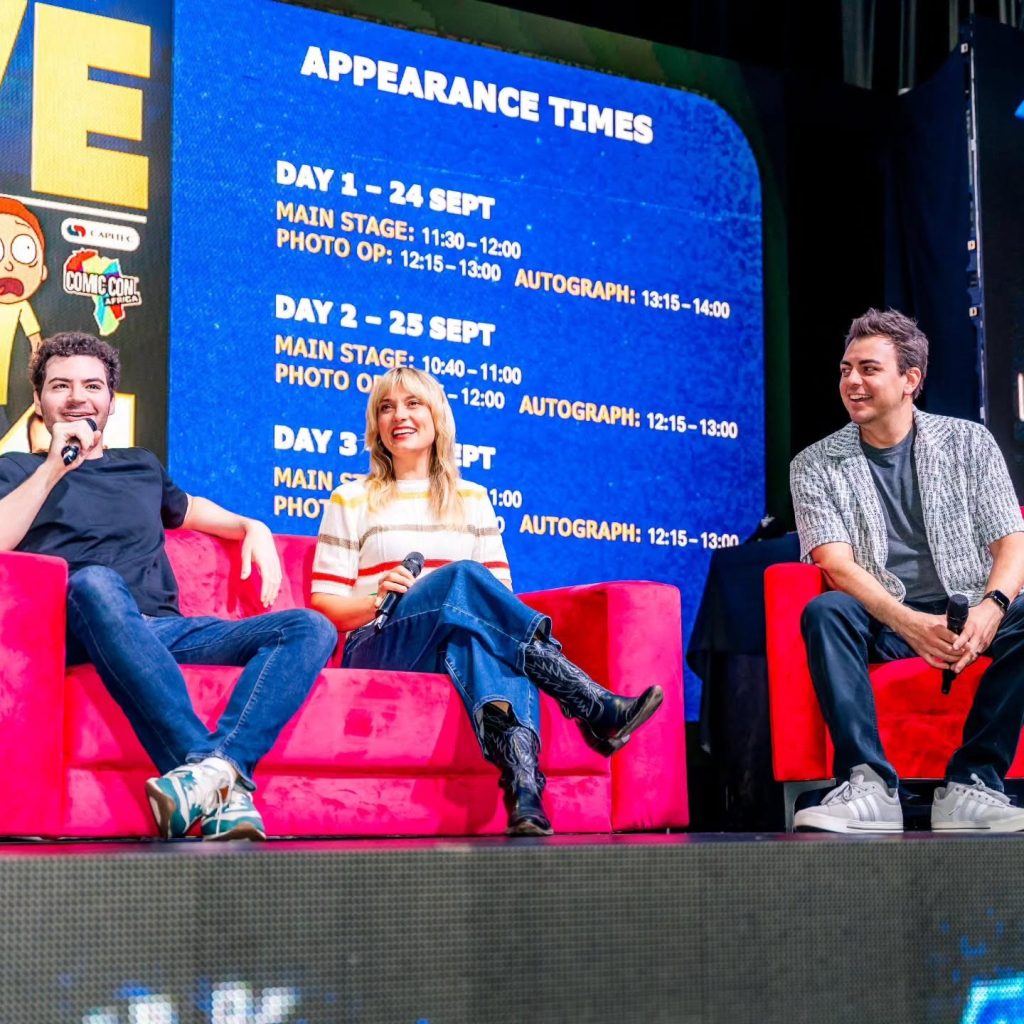
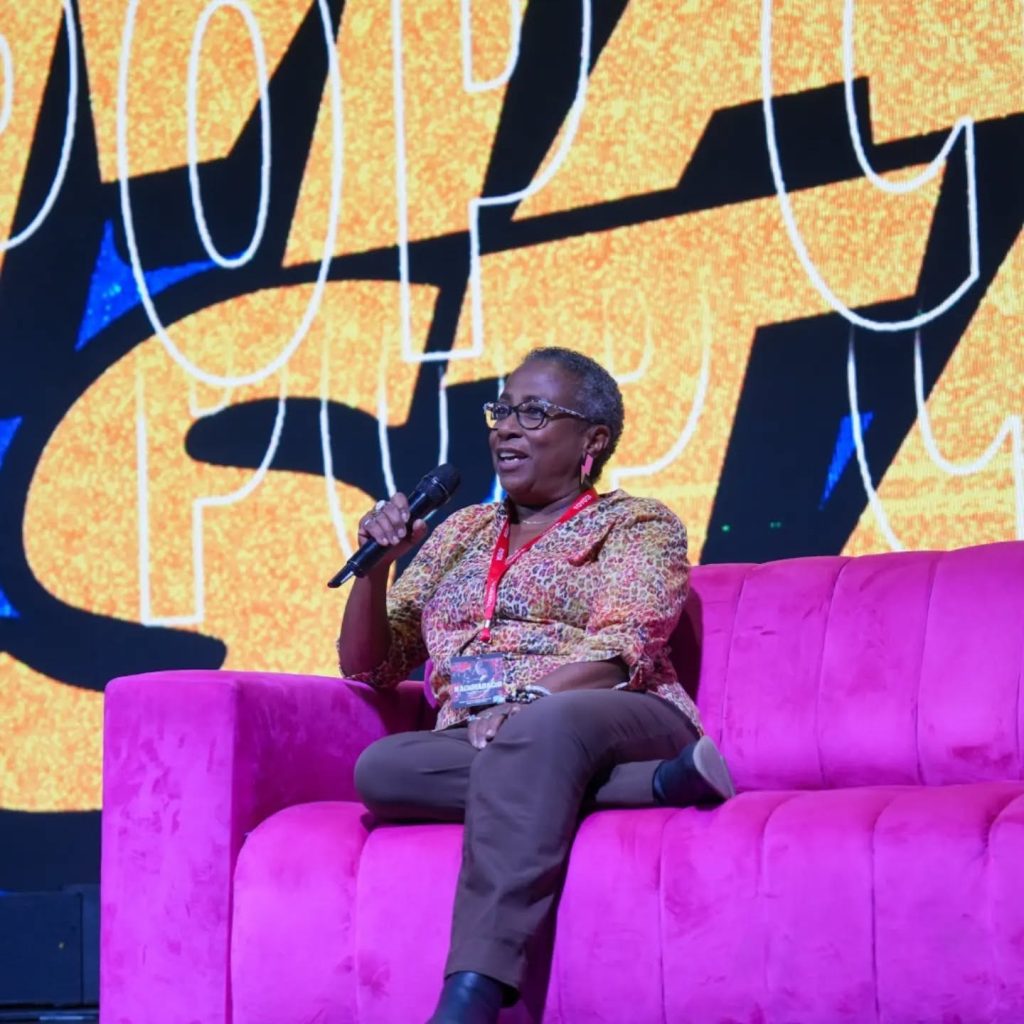
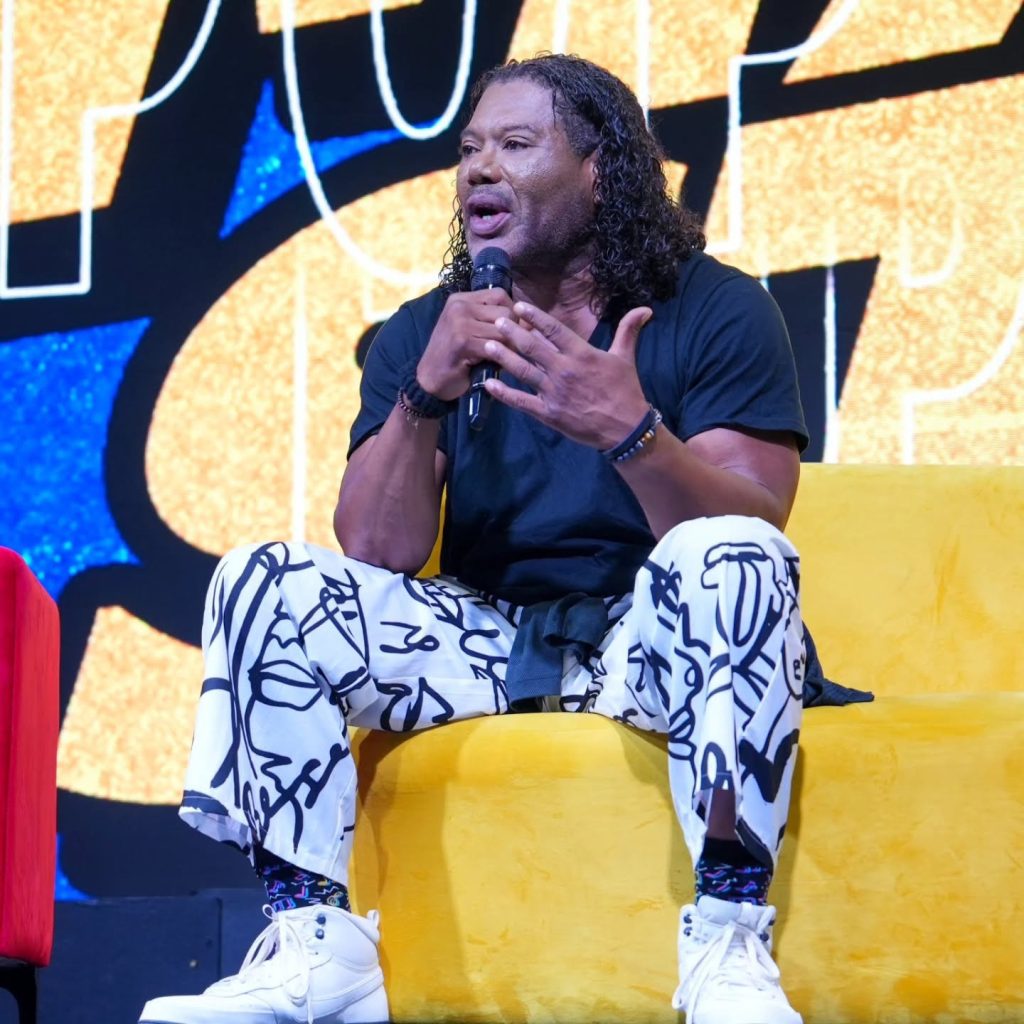
The celebrity line-up spanned television, animation and gaming rather than relying on a single headlining name. Christopher Judge connected the worlds of God of War and Stargate SG-1. Alison Sealy-Smith brought the legacy of Storm, while Ian Cardoni, Harry Belden and Spencer Grammer represented Rick and Morty. Richard T. Jones and members of Netflix’s live-action One Piece cast broadened the programme further.
Autographs and photographs will always attract queues, but the best guest appearances are the conversations that reveal something about the work. Future editions should continue giving audiences meaningful stage time with guests, not only transactional meet-and-greet moments.
Gaming balanced competition with participation
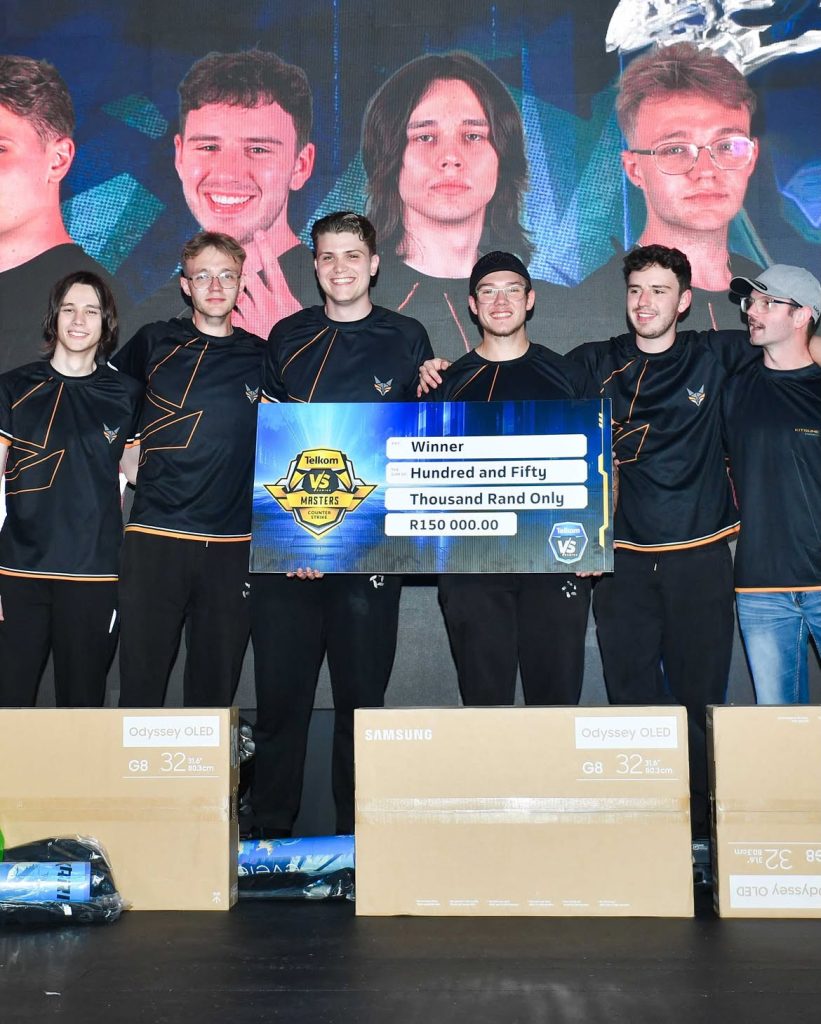
The Gaming Hall was another major strength. Telkom’s Masters and High School Esports League competitions gave supporters teams to follow, while Tekken, PUBG Mobile and free-to-play stations allowed casual visitors to join in. Toyota’s Load the Hilux activation and Red Bull Wings Cup programming added variety.
The balance between serious competition and accessible play is essential. Esports can feel intimidating to newcomers, so hands-on stations help translate spectators into participants and keep the hall active between headline matches.
Artist Alley proved that creators are not background decoration
Artist Alley, the Crafters Pavilion, the graffiti wall and Tattoo Alley demonstrated how much creative business sits behind fandom culture. These areas were not filler between celebrity sessions. They were platforms for illustrators, muralists, comic creators, tattoo artists and independent makers to meet paying audiences directly.
I would like to see creator discovery become even easier next year, with clearer directories, scheduled portfolio sessions and better digital profiles for participating artists. Visitors should be able to find a creator after the convention instead of losing a business card at the bottom of a merchandise bag.
Otaku Town and the Pop Up Cinema found their identity
Otaku Town offered more than anime merchandise. The Maid Cafe, PopTaku activities, Japanese calligraphy, matcha demonstrations and Toshiba’s Street Fighter tournament gave the zone cultural and interactive depth.
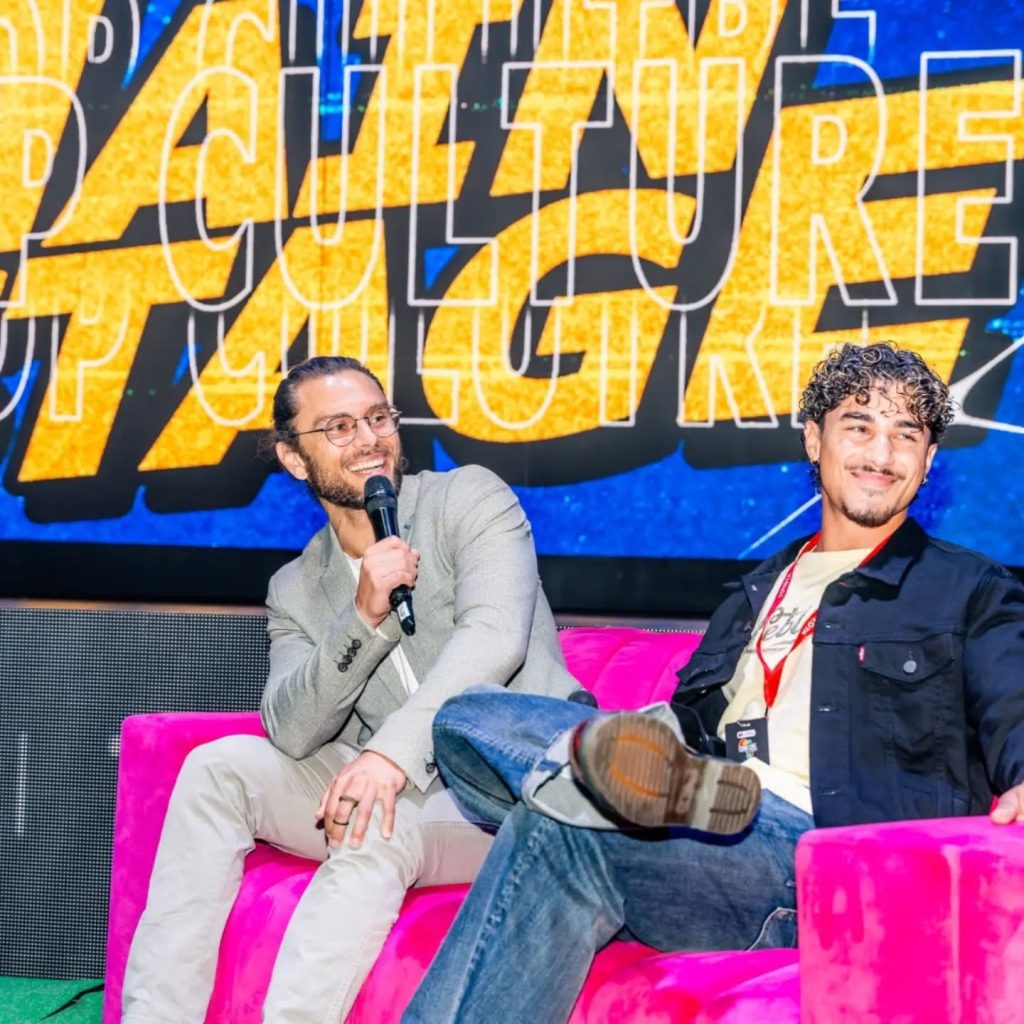
The Pop-Up Cinema was particularly exciting. Comic Con Africa was reportedly one of only five conventions chosen for the Kagurabachi World Anime Tour premiere, alongside screenings such as A Samurai in Time and The Boy and the Beast. Exclusive programming like this gives fans a reason to attend in person rather than simply follow announcements online.
Book Nook showed that fandom lives on the page too
Book Nook Chapter Two felt like an important expansion of what “comic con” can mean. Book swaps, literary meet-ups, the Con Confessional, book decoration, sword fighting and ballroom dancing turned reading into a participatory experience.
The convention should continue investing in this area. Authors, readers and literary cosplayers bring a different rhythm to the show and make the programme richer than a sequence of screens, stages and retail stands.
KidsCon gave families more than a waiting area
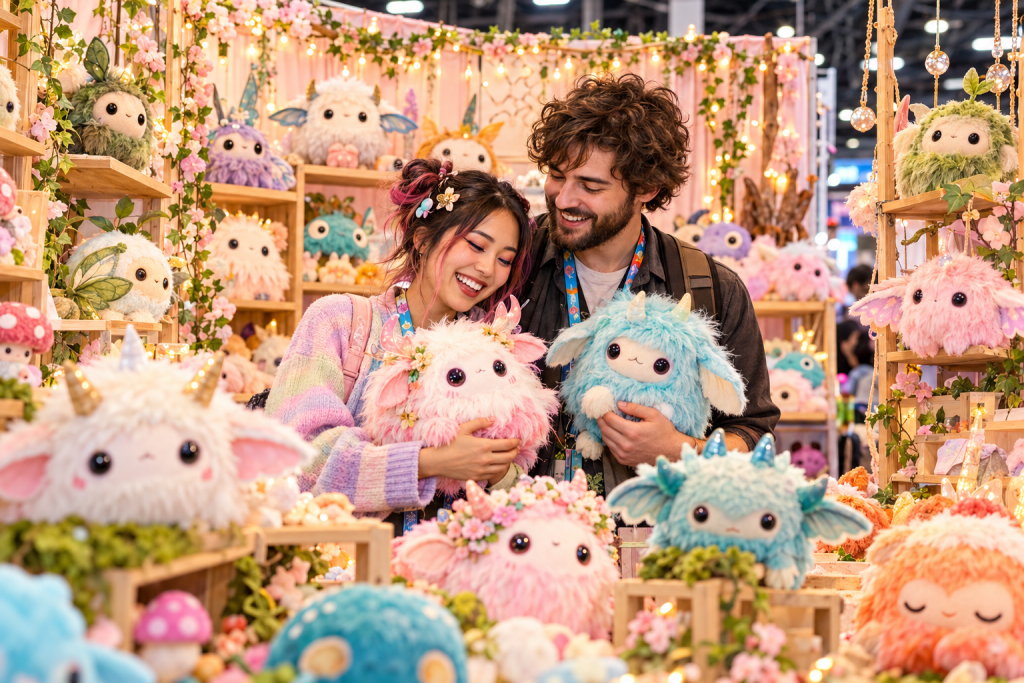
The expanded KidsCon Zone worked because children received their own activities rather than watered-down versions of the adult programme. Arts and crafts, gaming, the Collectables Arcade, Solarpop’s PokeParty, toys and Cartoon Network characters gave families several ways to structure the day.
The CTIAF and SAE Institute animation sessions for visitors aged 12 to 18 were particularly valuable. An event becomes more meaningful when young fans can discover a possible creative career, not only purchase another product.
What Comic Con Africa can improve
A convention of this size will always involve crowds, but better planning can reduce frustration. The most important improvement would be a clearer mobile-first programme with reliable live updates, capacity notices and directions between halls.
Popular panels and photo opportunities also need visible queue information. Visitors should know whether a line represents a ten-minute wait or most of an hour before committing. More rest areas, water points and quiet spaces would help families, visitors with disabilities and anyone attending for a full day.
Practical improvements for 2027
A faster live programme with alerts for schedule and venue changes
Clearer hall signage and walking-time guidance between stages
Published queue and capacity information for major attractions
More seating, water access and low-sensory rest areas
Stronger post-event directories for artists, crafters and exhibitors
Earlier release of detailed schedules so visitors can plan properly
My final verdict on Comic Con Africa 2026
Comic Con Africa 2026 succeeded because the fans and creators were never secondary to the spectacle. The costumes, competitions and celebrity names generated excitement, but the event’s real strength was the sense that many different communities had been invited to occupy the same space without giving up what made each one distinctive.
There is still room to improve navigation, comfort and access to live information. Those are important operational issues, especially as the audience grows. They do not erase what the event achieved: four days in which South African fandom, creativity and play were visible at scale.
My biggest hope for 2027 is that Comic Con Africa keeps expanding the experiences that reward participation. Let fans make, play, learn, perform and connect. That is where the convention becomes more than an exhibition – and where its best memories are made.
Frequently asked questions
When and where was Comic Con Africa 2026 held?
The event ran from 24 to 27 September 2026 at the Johannesburg Expo Centre in Nasrec.
Who won the 2026 Championship of Cosplay?
Jax.Cosplay won the overall championship and qualified to represent Comic Con Africa in London in 2027.
Was Comic Con Africa suitable for families?
Yes. KidsCon offered dedicated crafts, gaming, character encounters, shopping and educational activities for younger visitors.
What were the main attractions?
Major areas included cosplay, celebrity panels, esports, Artist Alley, KidsCon, Book Nook, Otaku Town, the Pop-Up Cinema and tabletop gaming.
Will Comic Con Africa return in 2027?
The organisers closed their official recap with a 2027 message. Dates and ticket details should be confirmed through the official Comic Con Africa website when announced.